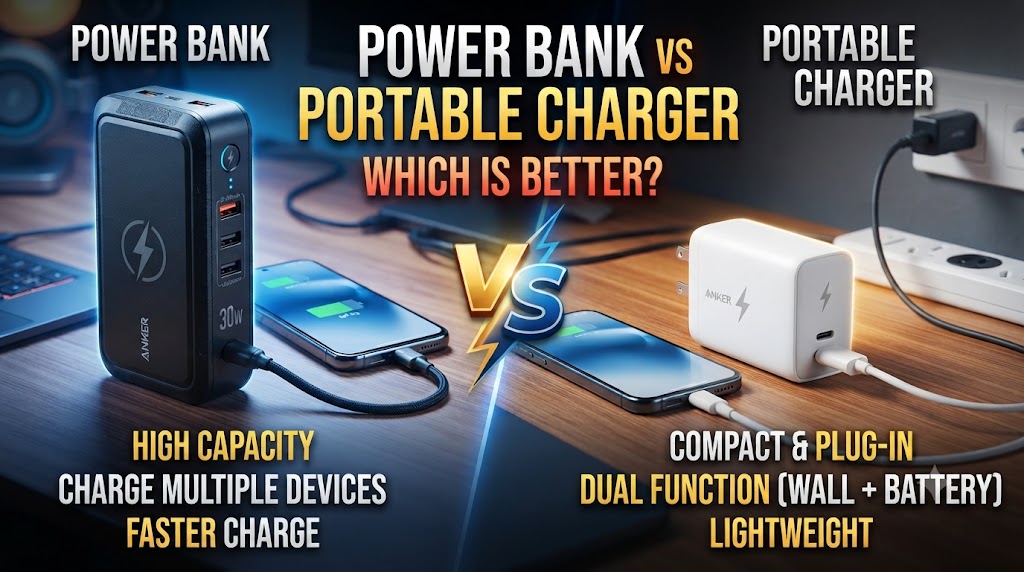
Power Bank vs Portable Charger A power bank vs portable charger comparison can be confusing because the two terms are often used to describe the same type of device. In everyday use, a power bank is a portable battery that stores electrical energy and can later charge a phone, tablet, earbuds, or another compatible device. The term portable charger is broader and can describe different portable charging solutions. In this power bank vs portable charger comparison, we will look at their meaning, charging capability, portability, capacity, compatibility, convenience, and practical…
Read MoreCategory: Technology
Smartwatch vs Fitness Band: Which Is Better?
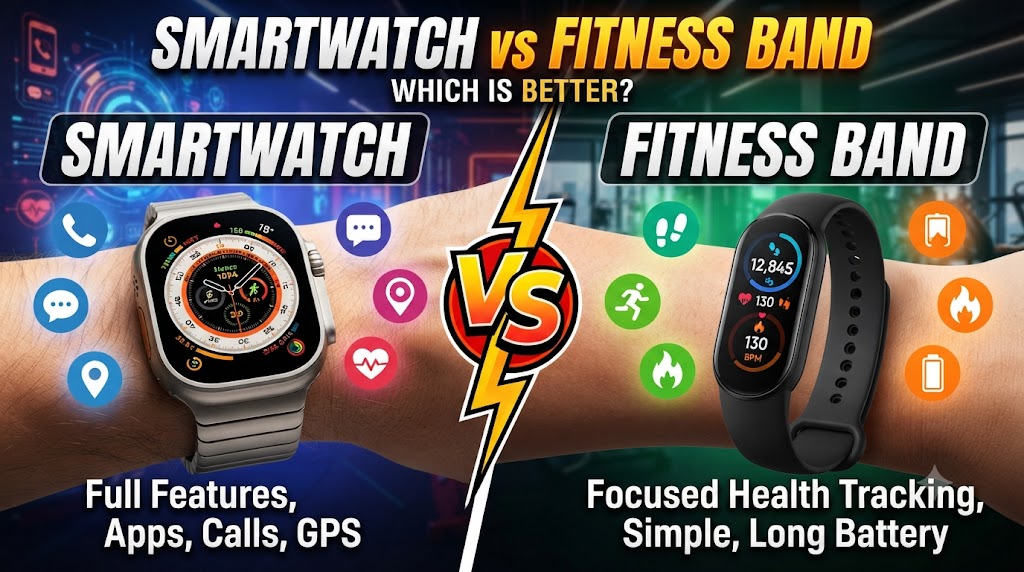
Smartwatch vs Fitness Band A smartwatch vs fitness band comparison helps you choose the right wearable based on what you actually need. Both devices can track health and fitness activities, but they are designed for different levels of functionality. A smartwatch usually offers a larger display, smart features, apps, notifications, and broader connectivity. A fitness band, on the other hand, focuses more on activity tracking, health monitoring, comfort, and longer battery life. In this smartwatch vs fitness band comparison, we will look at important differences such as fitness tracking, health…
Read MorePS5 vs Gaming PC: Which Is Better for Gaming?
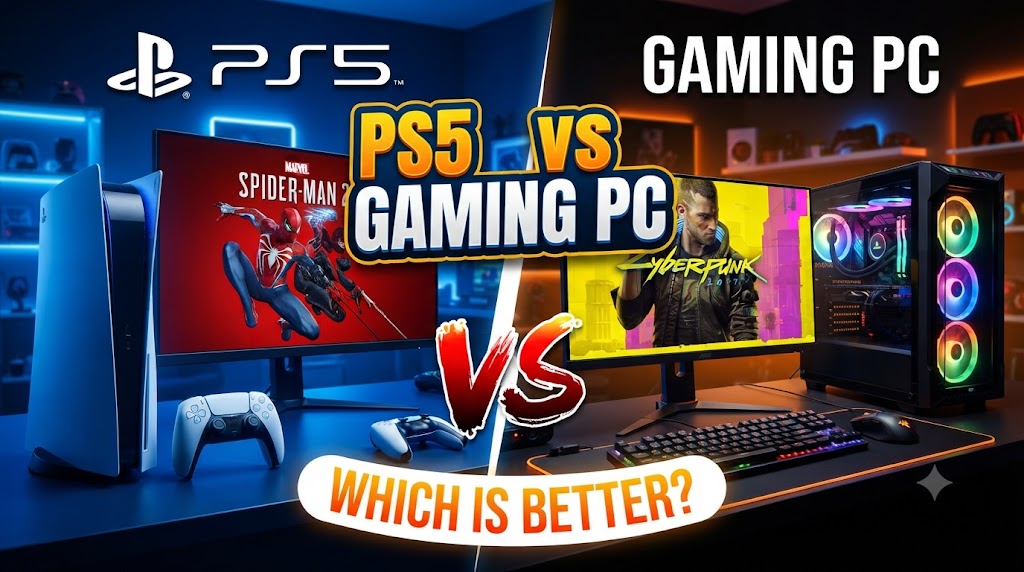
PS5 vs Gaming PC The PlayStation 5 (PS5) is a dedicated gaming console designed to provide a straightforward gaming experience without requiring users to select individual computer components. The current standard PS5 has a 1TB SSD, an 8-core/16-thread AMD Zen 2 CPU, 16GB of GDDR6 memory and an RDNA-based graphics engine. It supports features such as ray tracing, 4K TV-ready gaming, up to 120fps in supported games, and DualSense haptic feedback and adaptive triggers. The PS5 also provides access to PlayStation’s console ecosystem and a large library of compatible games.…
Read MoreGoogle Home vs Amazon Alexa: Which Smart Assistant Is Better?
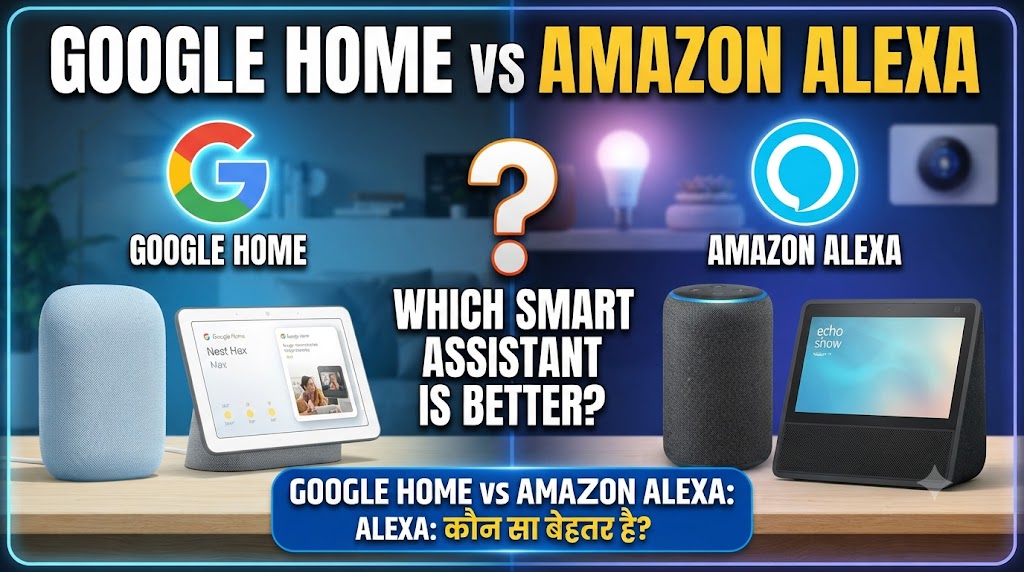
Google Home vs Amazon Alexa Google Home and Amazon Alexa are two popular platforms for controlling smart-home devices, playing media, getting information, and using voice commands. Google Home works with Google’s smart-home ecosystem and is increasingly integrating Gemini for Home features on eligible devices. Alexa is Amazon’s voice assistant and works with compatible Echo devices and a wide range of smart-home products. Both platforms can control compatible lights, plugs, switches, cameras, and other devices, but their features and supported devices can vary by product, region, and service. (Google Help) The…
Read MoreSmart Speaker vs Bluetooth Speaker: Which Is Better?
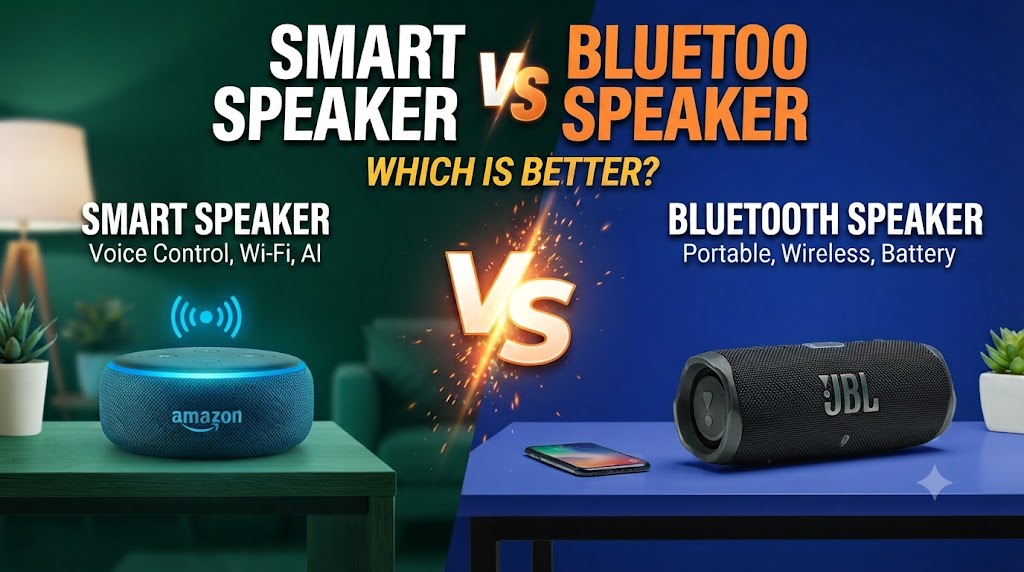
Smart Speaker vs Bluetooth Speaker A smart speaker and a Bluetooth speaker can both play music and other audio, but they are designed for different types of use. A smart speaker connects with a smart-home ecosystem and can provide features such as voice commands, internet-based services, routines, and control of compatible smart devices. A Bluetooth speaker mainly focuses on wireless audio playback from a nearby phone, tablet, computer, or other compatible device. The better option depends on whether your priority is smart functionality or simple portable audio. A Bluetooth speaker…
Read MoreWi-Fi Smart Plug vs Bluetooth Smart Plug: Which Is Better?
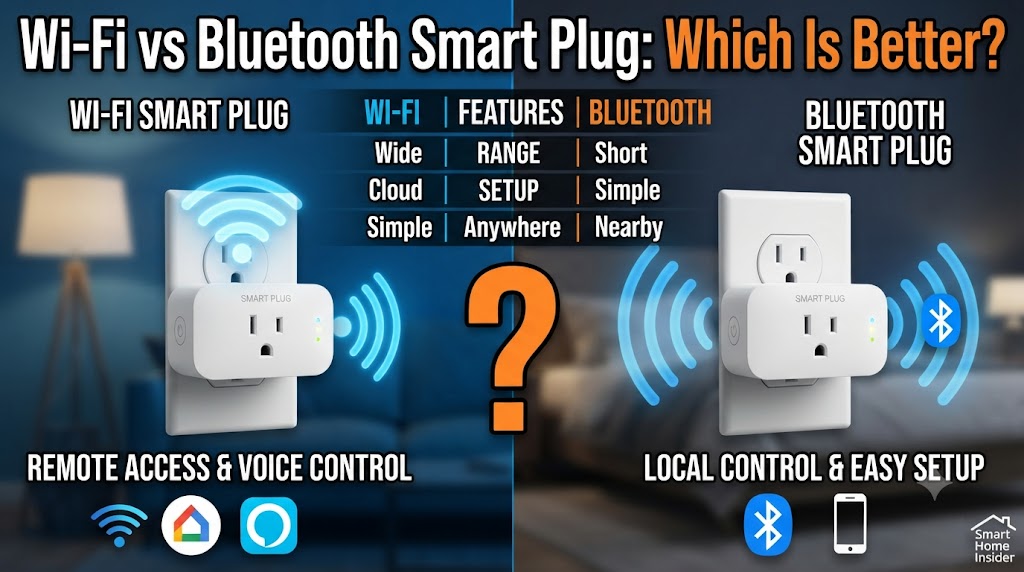
Wi-Fi Smart Plug vs Bluetooth Smart Plug A Wi-Fi smart plug and a Bluetooth smart plug can both make ordinary electrical devices easier to control. They allow users to operate connected appliances through compatible apps and, depending on the model, may support scheduling, automation, and voice control. The main difference is how they communicate with your phone or smart-home system. Wi-Fi smart plugs connect through a Wi-Fi network, while Bluetooth smart plugs use Bluetooth for local communication. This difference affects remote access, range, setup, and how each plug fits into…
Read MoreSmart Switch vs Smart Bulb: Which Is Better for a Smart Home?
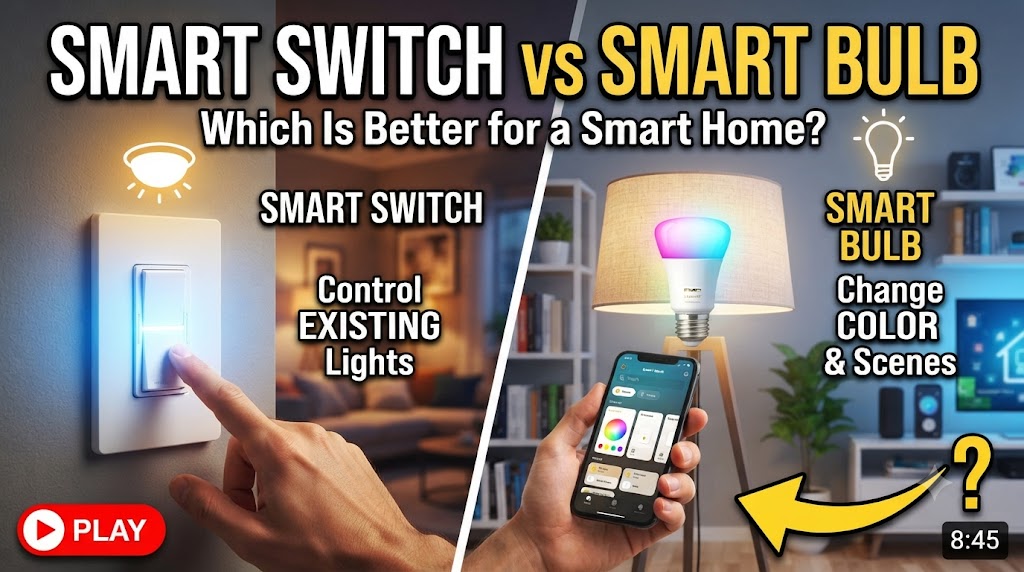
Smart Switch vs Smart Bulb A smart switch and a smart bulb can both bring smart-home control to your lighting, but they work in different ways. A smart switch replaces or controls the wall switch connected to a light fixture, while a smart bulb replaces the existing bulb and adds smart features directly to the light source. Both can offer app control, scheduling, automation, and, depending on the model, voice control. The better choice depends on the type of lighting setup you already have and how much control you want.…
Read MoreSmart Bulb vs Normal LED Bulb: Which Is Better?
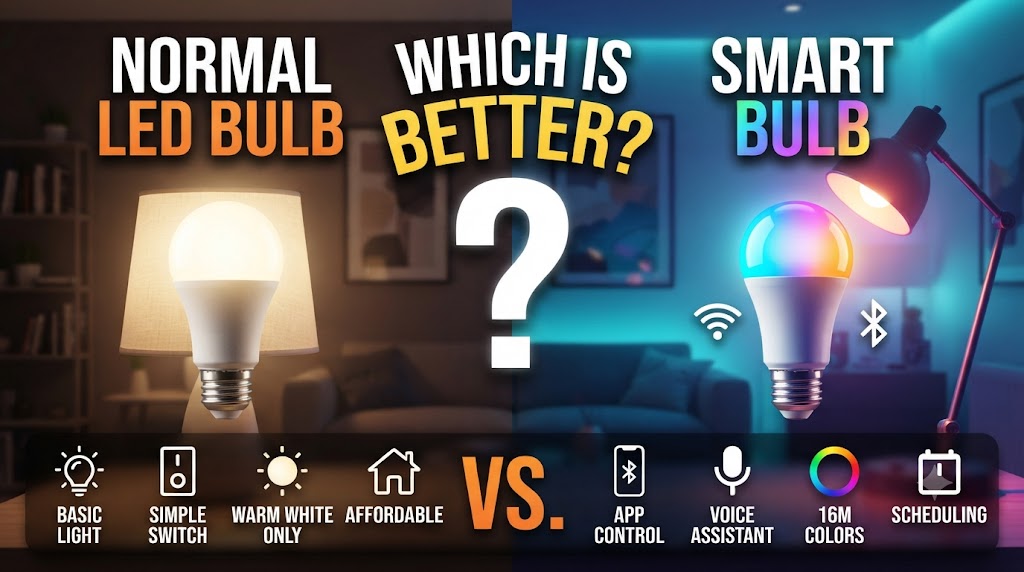
Smart Bulb vs Normal LED Bulb A smart bulb and a normal LED bulb both provide energy-efficient lighting, but they are designed for different needs. A normal LED bulb mainly focuses on providing reliable light with simple operation through a regular wall switch. A smart bulb adds connected features such as app control, scheduling, dimming, and, depending on the model, voice control and integration with a smart home system. The better option depends on whether you want basic lighting or more control and automation. A normal LED bulb is generally…
Read MoreBluetooth vs Wired Speakers: Which Is Better?
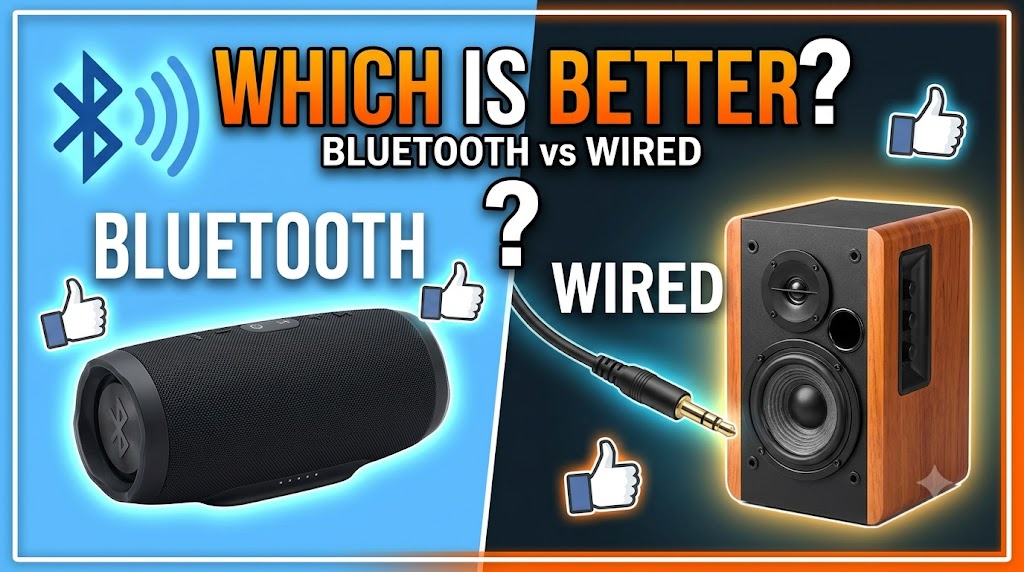
Bluetooth vs Wired Speakers Choosing between Bluetooth and wired speakers depends on how you plan to use them. Bluetooth vs wired speakers is mainly a comparison between wireless convenience and a more direct, stable connection. Bluetooth speakers are easy to move around and connect to compatible devices without cables. Wired speakers, on the other hand, use physical connections and are commonly preferred for fixed audio setups. Both options can deliver good sound, but they differ in connectivity, portability, reliability, power requirements, and overall setup. Understanding these differences can help you…
Read More2.1 vs 5.1 Speakers: Which Is Better?
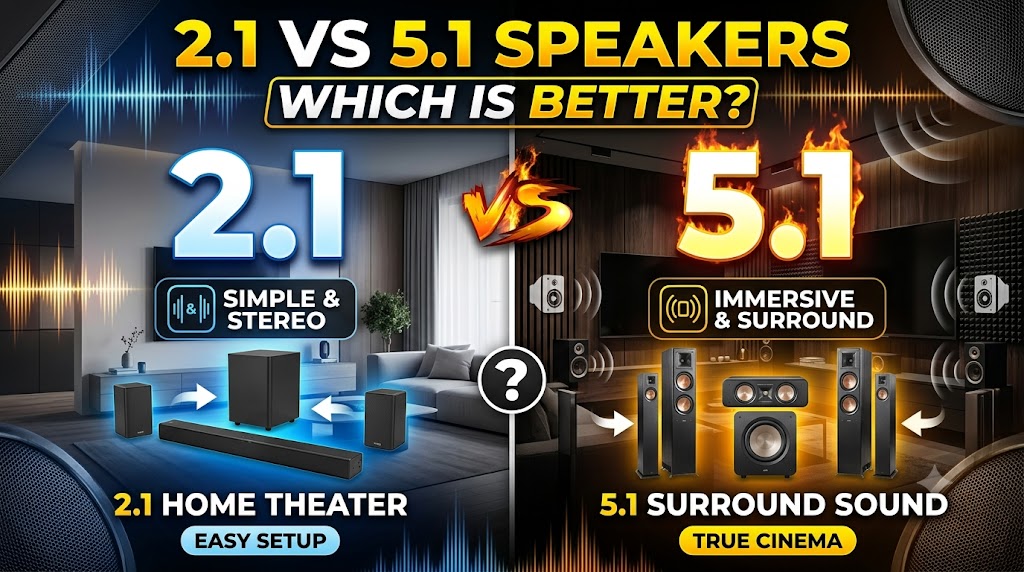
2.1 vs 5.1 Speakers Choosing the right speaker system depends on the type of sound experience you want, the size of your room, and how much space you can dedicate to speakers. The 2.1 vs 5.1 speakers comparison is especially useful for people deciding between a simple stereo setup with a subwoofer and a more immersive surround-sound system. A 2.1 setup uses two main speakers and one subwoofer, while a 5.1 setup uses five main speakers and one subwoofer. (Dolby Helix) A 2.1 system is generally simpler to install and…
Read More