Solar Panel Cleaning Robot vs Manual Cleaning: Which Is Better?
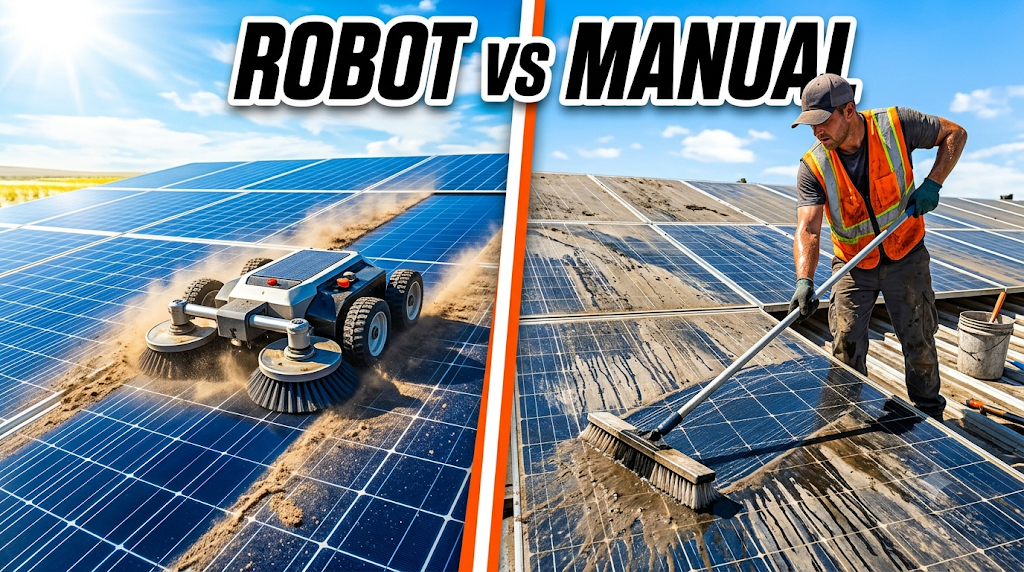
Solar panel cleaning robot vs manual cleaning comparison showing automated and traditional solar panel cleaning methods.

Solar Panel Cleaning Robot vs Manual Cleaning Introduction Solar panel cleaning is important because dust, dirt, bird droppings, pollen and other deposits can reduce the amount of sunlight reaching photovoltaic cells. Regular cleaning helps maintain the performance of a solar power system, especially in areas with dry weather, construction dust or agricultural activity. Two common cleaning methods are solar panel cleaning robots and manual cleaning. Both methods remove dirt from panel surfaces, but they differ in equipment cost, labour requirements, cleaning control, maintenance and suitability for different installations. A solar…

Read More

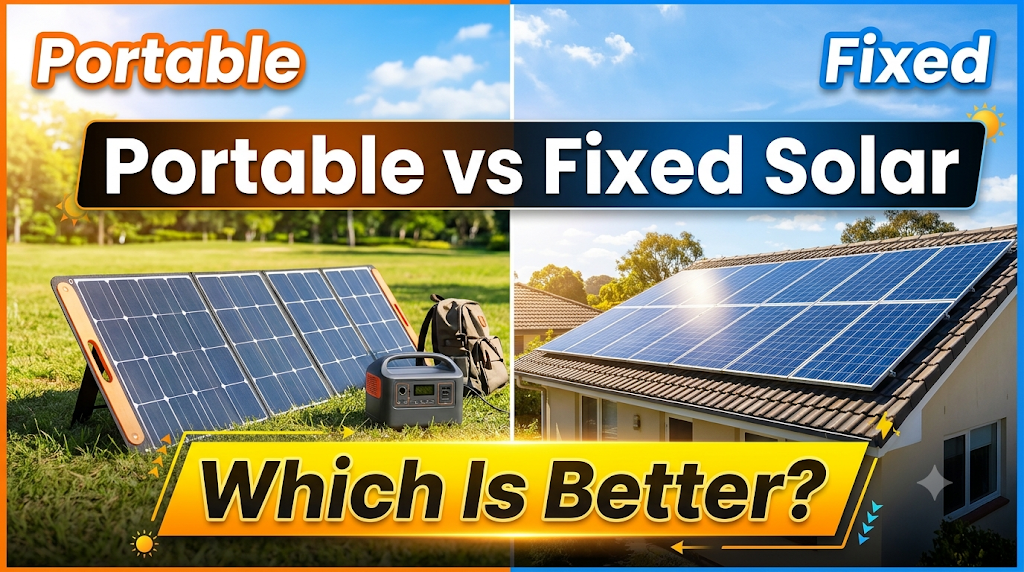
Portable Solar Panel vs Fixed Solar Panel: Which Is Better?

Portable Solar Panel vs Fixed Solar Panel comparison showing foldable portable panels and permanently installed rooftop solar panels

Portable Solar Panel vs Fixed Solar Panel Introduction Solar panels are available in different designs to meet residential, commercial, outdoor and off-grid electricity requirements. Portable solar panels and fixed solar panels are two common options for generating electricity from sunlight. Both use photovoltaic technology to convert sunlight into electrical energy, but their construction, installation methods, portability and applications are different. Portable solar panels are designed to be moved and used at different locations, while fixed solar panels are installed permanently on rooftops, ground-mounted structures or other suitable surfaces. Choosing between…

Read More

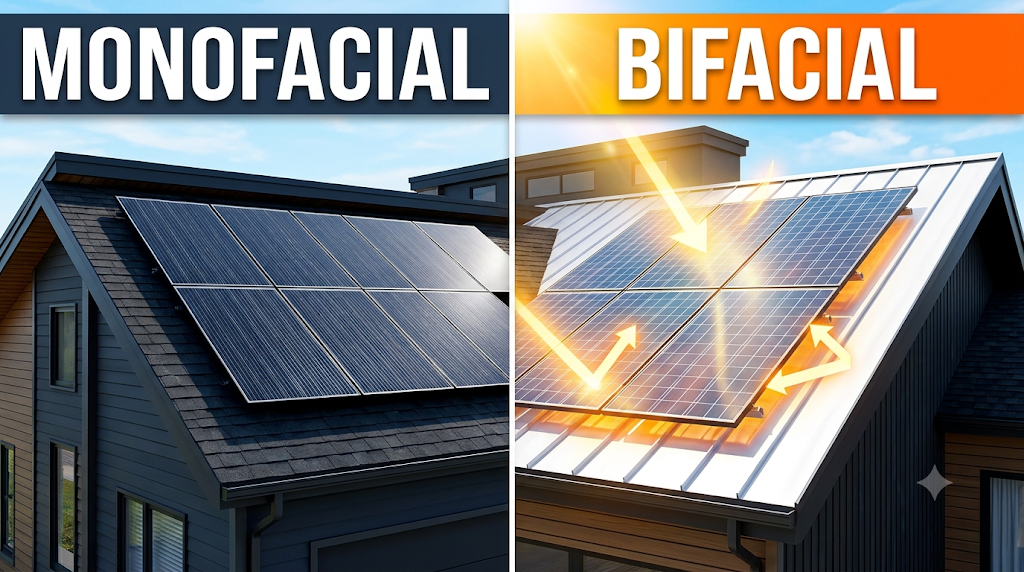
Monofacial vs Bifacial Solar Panels for Rooftops: Which Is Better?

Monofacial vs Bifacial Solar Panels for Rooftops comparison

Monofacial vs Bifacial Solar Panels for Rooftops Introduction Solar panels are available in different technologies, and monofacial and bifacial panels are two important options in the solar energy market. Both convert sunlight into electricity, but they differ in how they capture solar energy. Monofacial solar panels generate electricity primarily from their front surface, while bifacial panels can generate electricity from both their front and rear surfaces. This difference can influence electricity production, installation requirements, cost and overall suitability for rooftop solar projects. Choosing between monofacial and bifacial solar panels requires…

Read More

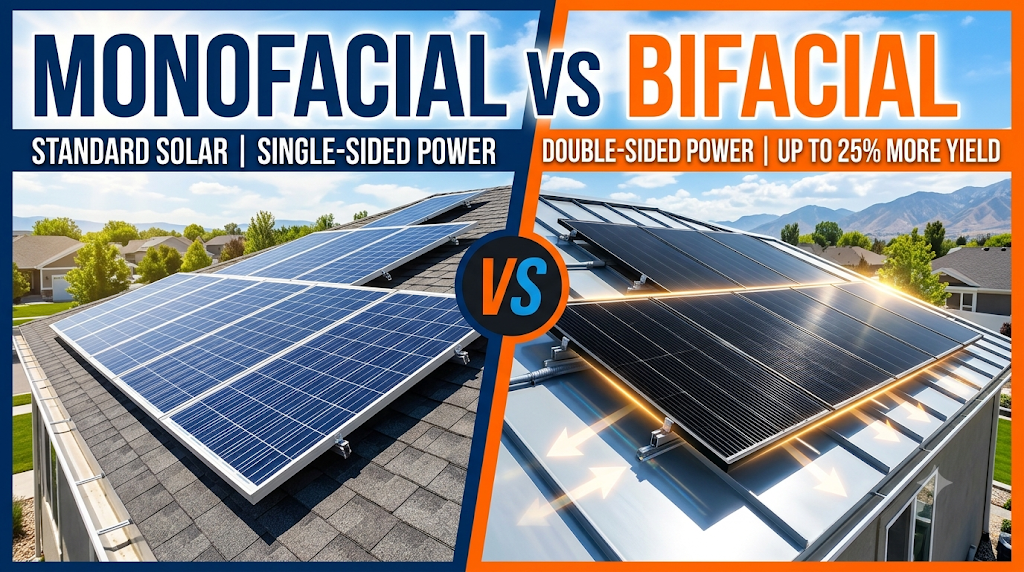
Monofacial vs Bifacial Solar Panels for Rooftops: Which Is Better?

Monofacial vs bifacial solar panels rooftop comparison

Monofacial vs Bifacial Solar Panels for Rooftops Introduction Solar panels are available in different designs, and monofacial and bifacial panels are two important options for generating electricity from sunlight. Monofacial solar panels capture sunlight mainly from their front surface, while bifacial solar panels can capture sunlight from both the front and rear surfaces. Both technologies convert sunlight into electricity, but their performance depends on installation conditions, available sunlight and the surrounding environment. Choosing between monofacial and bifacial solar panels for a rooftop installation requires considering more than just panel technology.…

Read More

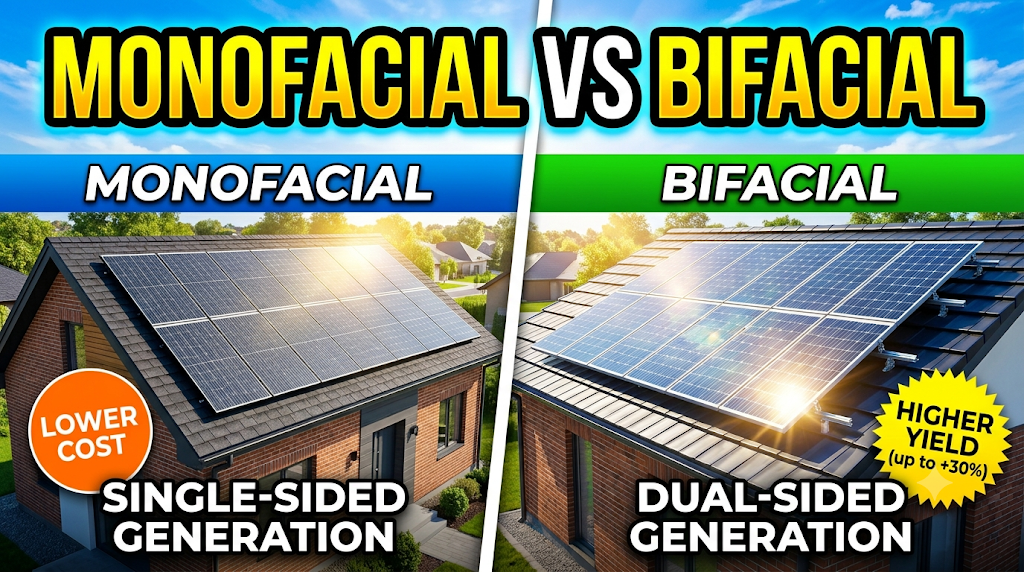
Monofacial vs Bifacial Solar Panels for Rooftops: Which Is Better?

Monofacial vs Bifacial Solar Panels for Rooftops comparison showing single-sided and double-sided solar panels

Monofacial vs Bifacial Solar Panels for Rooftops Introduction Solar panels are available in different technologies, and monofacial and bifacial panels are two important options for generating electricity from sunlight. Monofacial solar panels generate electricity primarily from sunlight reaching their front surface, while bifacial solar panels can generate electricity from both their front and rear surfaces. Both technologies use photovoltaic cells to convert sunlight into electricity, but their performance depends on installation conditions, available sunlight, roof design, and mounting arrangements. Choosing between monofacial and bifacial solar panels for a rooftop installation…

Read More

Glass-Glass vs Glass-Backsheet Solar Panels: Which Is Better?

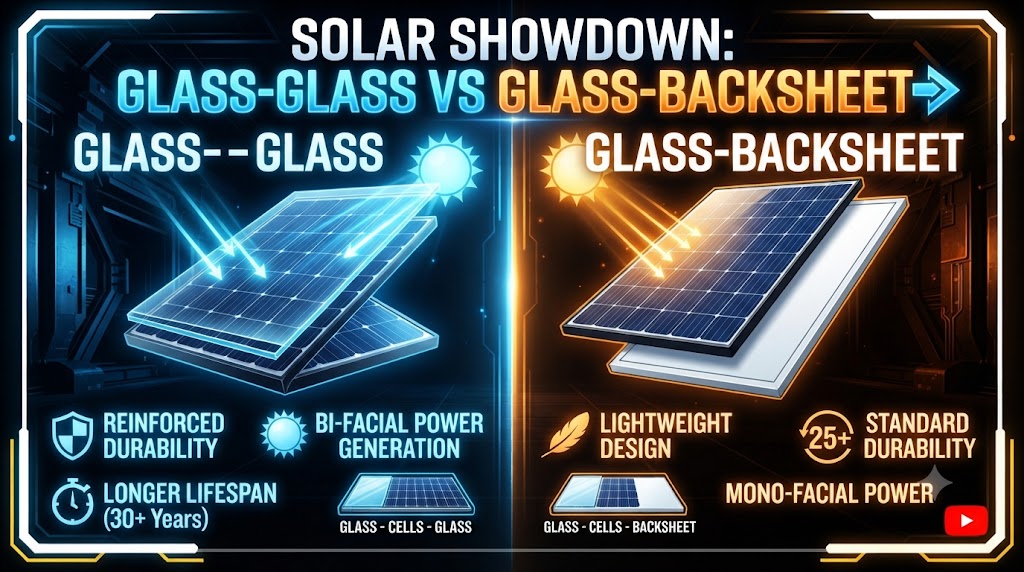
Glass-glass vs glass-backsheet solar panels comparison showing front and rear panel construction

Glass-Glass vs Glass-Backsheet Solar Panels Introduction Glass-glass and glass-backsheet solar panels are two common solar panel constructions. The main difference is the material used on the rear side of the panel. Glass-glass panels use glass on both the front and back, while glass-backsheet panels use front glass and a protective polymer backsheet. This construction affects durability, weight, moisture protection, installation requirements, and sometimes the overall cost of a solar system. Both panel types can generate electricity effectively when manufactured and installed properly. Glass-glass panels are often selected for projects where…

Read More

N-Type vs P-Type Solar Panels: Which Is Better?

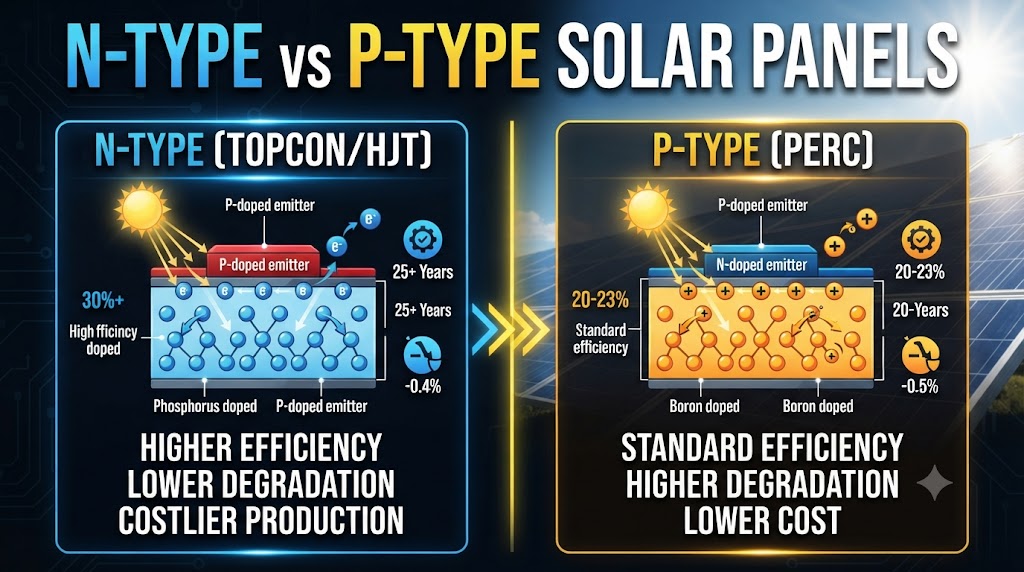
N-Type vs P-Type solar panels comparison showing differences in solar cell technology

N-Type vs P-Type Solar Panels Introduction N-Type and P-Type solar panels use different types of silicon wafers to convert sunlight into electricity. The main difference lies in the electrical properties of the silicon and the way each cell is manufactured. These differences can affect efficiency, performance in high temperatures, light-induced degradation, and long-term electricity generation. Both technologies are used in solar installations, but N-Type technology has become increasingly common in modern high-efficiency solar panels. P-Type solar cells have traditionally been popular because of their established manufacturing processes and competitive cost.…

Read More

Half-Cut vs Full-Cell Solar Panels: Which Is Better?

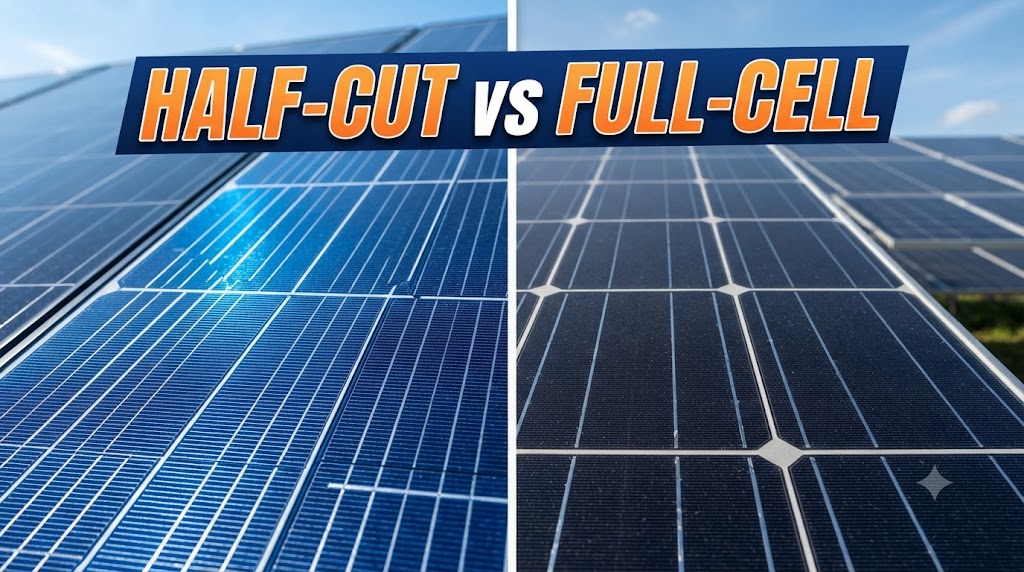
Half-cut vs full-cell solar panels comparison showing the two solar cell designs

Half-Cut vs Full-Cell Solar Panels Introduction Half-cut and full-cell solar panels are two different solar panel designs used in residential, commercial, and industrial solar installations. Both convert sunlight into electricity, but they differ in how their solar cells are manufactured, arranged, and connected. These design differences can affect electrical resistance, heat generation, shading performance, and overall energy output. Understanding these differences can help you choose a suitable solar panel for your rooftop or solar project. A half-cut solar panel uses solar cells that are cut into two smaller pieces, while…

Read More

Bifacial vs Monofacial Solar Panels: Which Is Better?

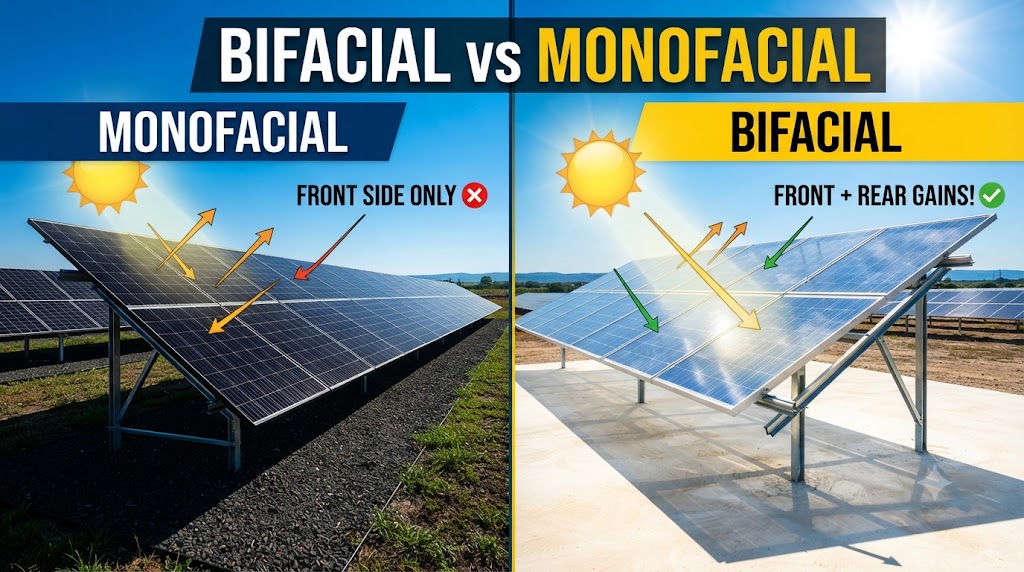
Bifacial vs monofacial solar panels comparison showing two-sided and front-side solar electricity generation.

Bifacial vs Monofacial Solar Panels Introduction Solar panel technology offers different ways to convert sunlight into electricity, and bifacial and monofacial panels are two important options. Both technologies use photovoltaic cells to generate electricity from sunlight, but they differ in how they capture solar energy. Monofacial panels generate electricity primarily from their front surface, while bifacial panels can generate electricity from both their front and rear surfaces. This difference can influence energy production, installation requirements, mounting arrangements and overall project costs. Choosing between bifacial and monofacial solar panels depends on…

Read More

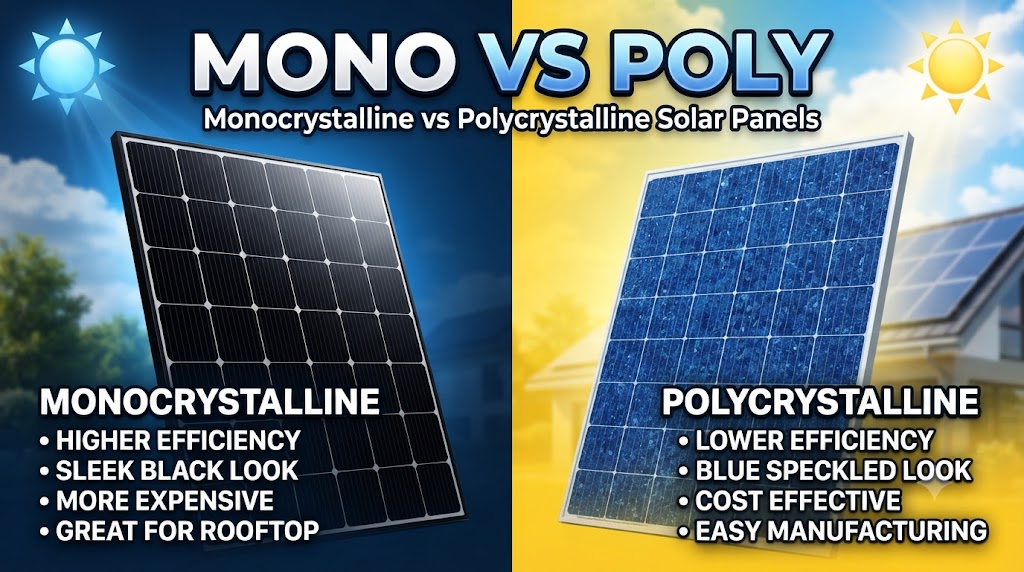
Monocrystalline vs Polycrystalline Solar Panels: Which Is Better?

Monocrystalline vs polycrystalline solar panels comparison showing black monocrystalline panels and blue polycrystalline panels.

Monocrystalline vs Polycrystalline Solar Panels Introduction Solar panels are available in different technologies, and choosing the right type can affect electricity generation, installation costs and long-term performance. Monocrystalline and polycrystalline solar panels are two well-known types of photovoltaic panels. Both convert sunlight into electricity using silicon cells, but they differ in their manufacturing processes, appearance, efficiency and cost. Monocrystalline panels are made using single-crystal silicon, whereas polycrystalline panels are manufactured using multiple silicon crystal fragments melted together. Choosing between these two solar panel types depends on your budget, available rooftop…

Read More