Solar String Inverter vs Microinverter: Which Is Better?
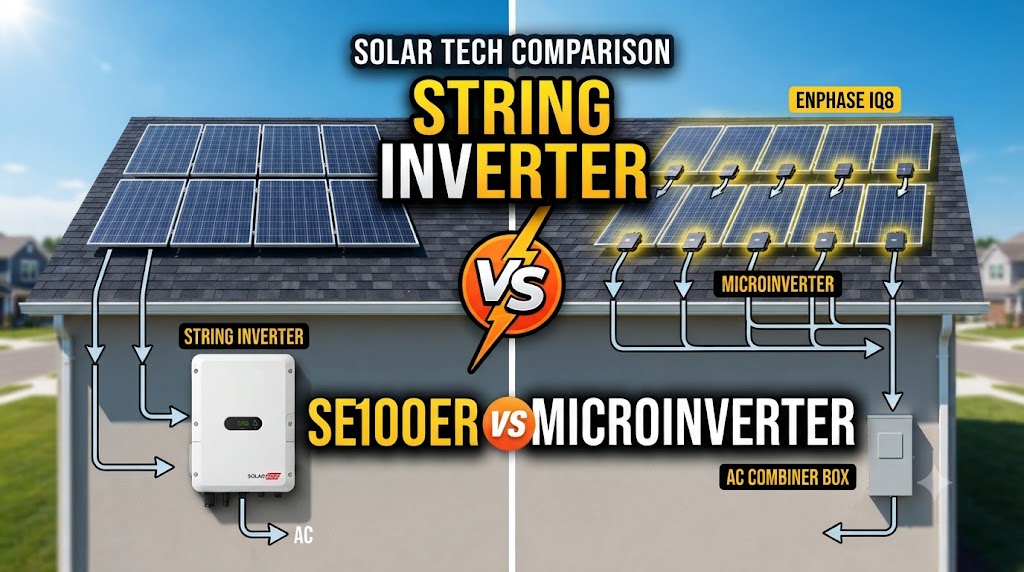
Solar string inverter vs microinverter comparison showing central and panel-level inverter systems

Solar String Inverter vs Microinverter Introduction A solar inverter is an important part of a solar power system because it converts the direct current (DC) electricity produced by solar panels into alternating current (AC) electricity used by household appliances and electrical equipment. Solar string inverters and microinverters perform this function differently. A string inverter connects multiple solar panels into one or more groups, while microinverters are installed separately on individual panels. The choice between these two inverter types can affect system design, monitoring, installation cost, maintenance, and performance under partial…

Read More

Glass-Glass vs Glass-Backsheet Solar Panels: Which Is Better?

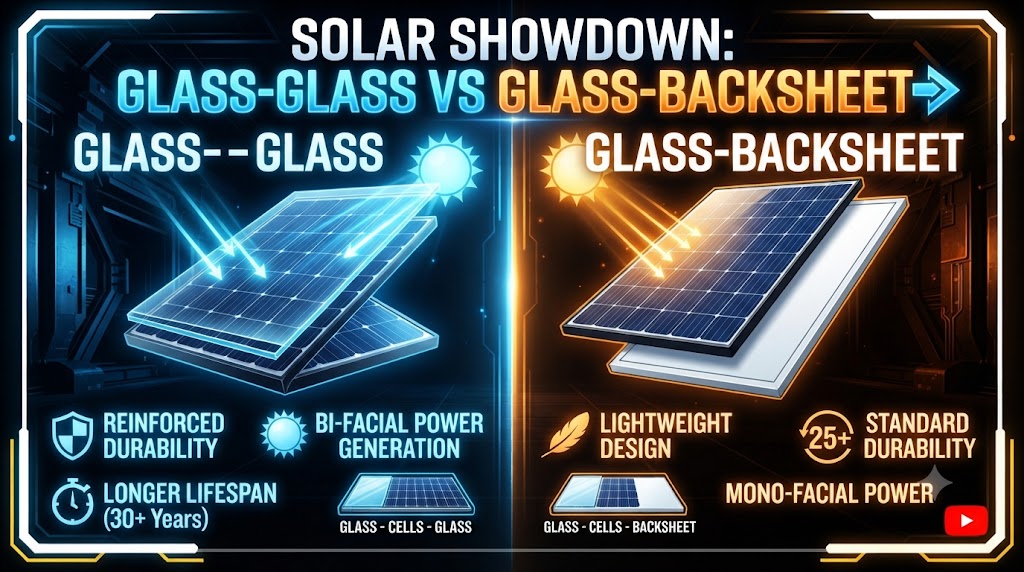
Glass-glass vs glass-backsheet solar panels comparison showing front and rear panel construction

Glass-Glass vs Glass-Backsheet Solar Panels Introduction Glass-glass and glass-backsheet solar panels are two common solar panel constructions. The main difference is the material used on the rear side of the panel. Glass-glass panels use glass on both the front and back, while glass-backsheet panels use front glass and a protective polymer backsheet. This construction affects durability, weight, moisture protection, installation requirements, and sometimes the overall cost of a solar system. Both panel types can generate electricity effectively when manufactured and installed properly. Glass-glass panels are often selected for projects where…

Read More

N-Type vs P-Type Solar Panels: Which Is Better?

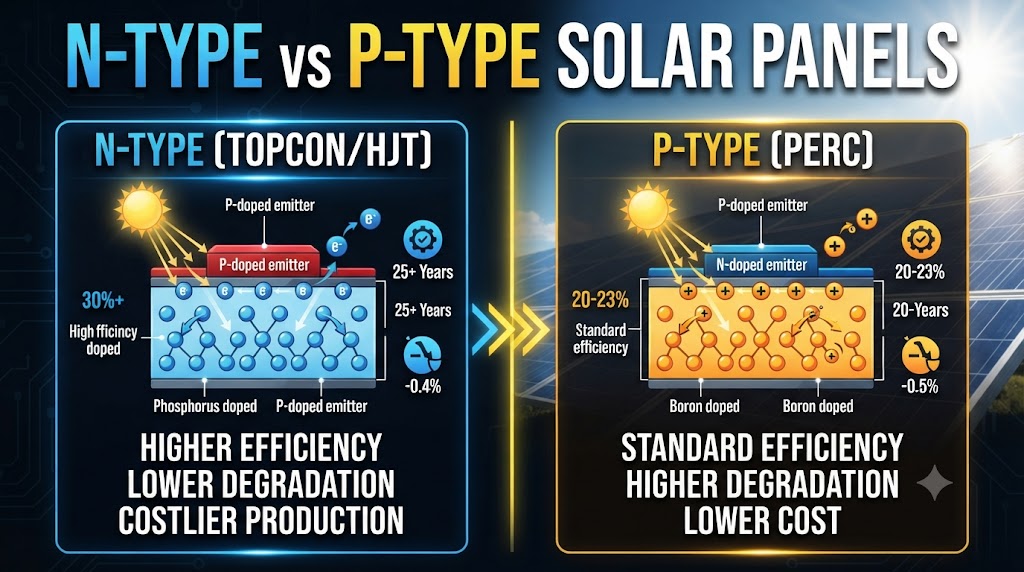
N-Type vs P-Type solar panels comparison showing differences in solar cell technology

N-Type vs P-Type Solar Panels Introduction N-Type and P-Type solar panels use different types of silicon wafers to convert sunlight into electricity. The main difference lies in the electrical properties of the silicon and the way each cell is manufactured. These differences can affect efficiency, performance in high temperatures, light-induced degradation, and long-term electricity generation. Both technologies are used in solar installations, but N-Type technology has become increasingly common in modern high-efficiency solar panels. P-Type solar cells have traditionally been popular because of their established manufacturing processes and competitive cost.…

Read More

Half-Cut vs Full-Cell Solar Panels: Which Is Better?

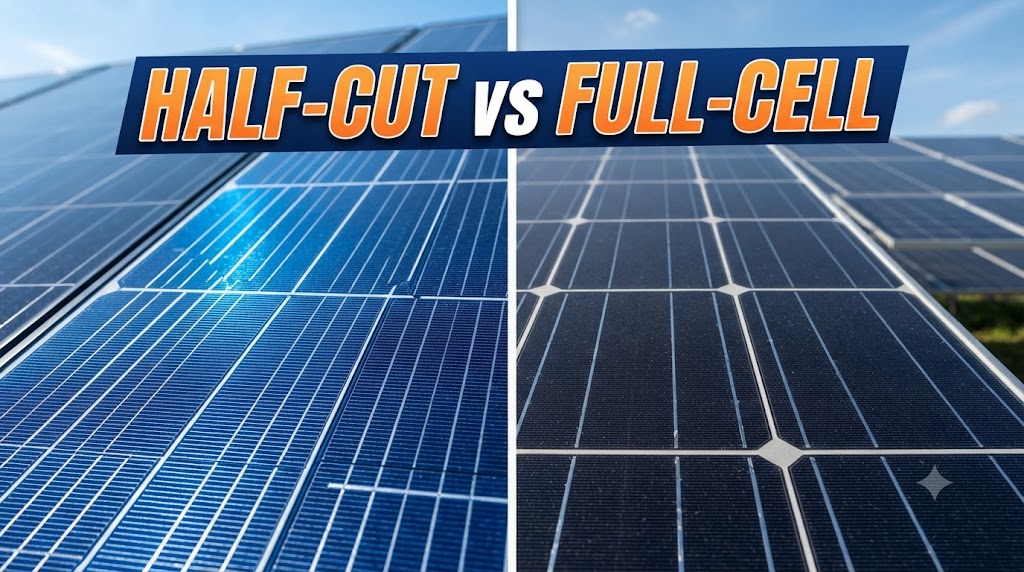
Half-cut vs full-cell solar panels comparison showing the two solar cell designs

Half-Cut vs Full-Cell Solar Panels Introduction Half-cut and full-cell solar panels are two different solar panel designs used in residential, commercial, and industrial solar installations. Both convert sunlight into electricity, but they differ in how their solar cells are manufactured, arranged, and connected. These design differences can affect electrical resistance, heat generation, shading performance, and overall energy output. Understanding these differences can help you choose a suitable solar panel for your rooftop or solar project. A half-cut solar panel uses solar cells that are cut into two smaller pieces, while…

Read More

Bifacial vs Monofacial Solar Panels: Which Is Better?

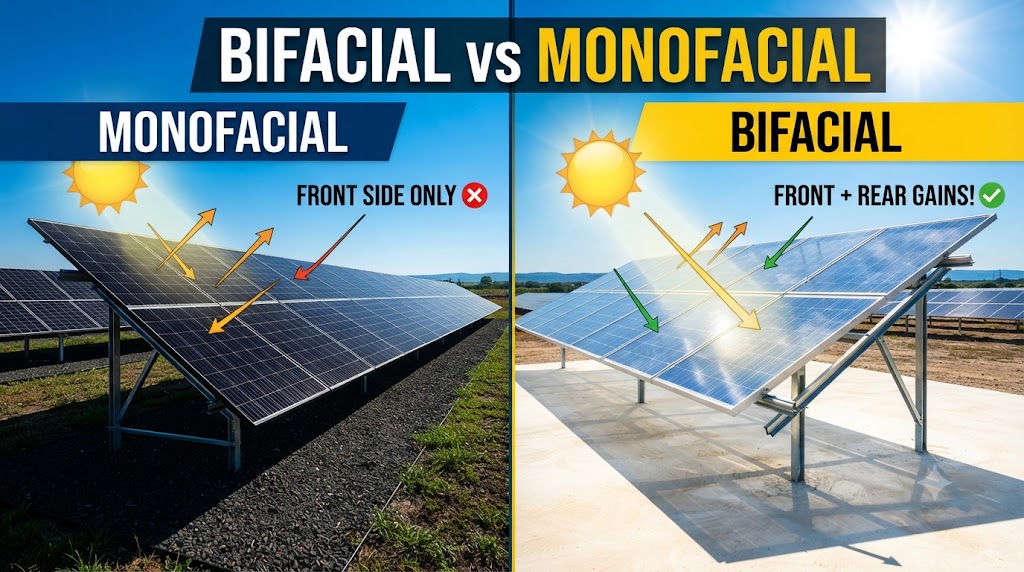
Bifacial vs monofacial solar panels comparison showing two-sided and front-side solar electricity generation.

Bifacial vs Monofacial Solar Panels Introduction Solar panel technology offers different ways to convert sunlight into electricity, and bifacial and monofacial panels are two important options. Both technologies use photovoltaic cells to generate electricity from sunlight, but they differ in how they capture solar energy. Monofacial panels generate electricity primarily from their front surface, while bifacial panels can generate electricity from both their front and rear surfaces. This difference can influence energy production, installation requirements, mounting arrangements and overall project costs. Choosing between bifacial and monofacial solar panels depends on…

Read More

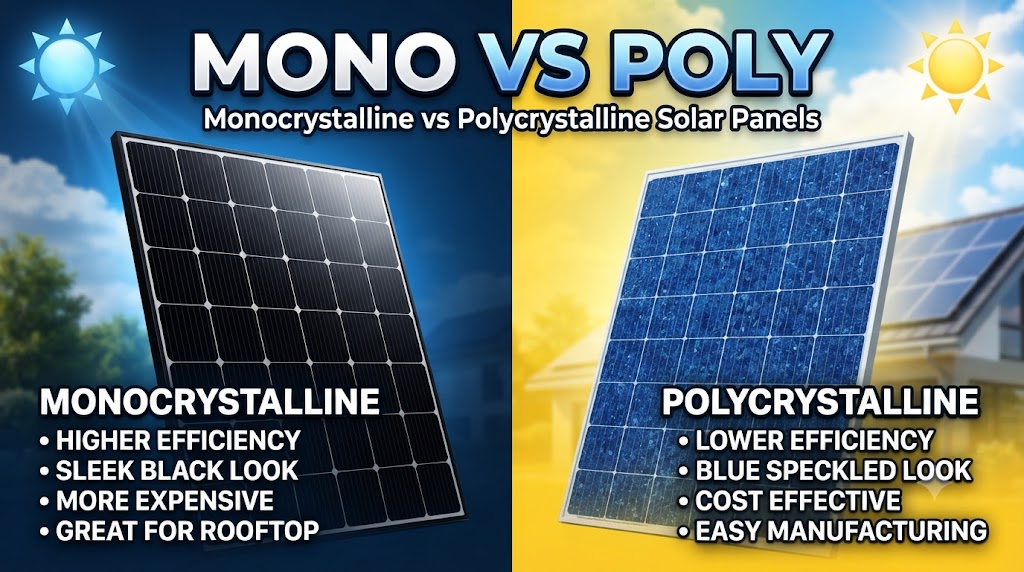
Monocrystalline vs Polycrystalline Solar Panels: Which Is Better?

Monocrystalline vs polycrystalline solar panels comparison showing black monocrystalline panels and blue polycrystalline panels.

Monocrystalline vs Polycrystalline Solar Panels Introduction Solar panels are available in different technologies, and choosing the right type can affect electricity generation, installation costs and long-term performance. Monocrystalline and polycrystalline solar panels are two well-known types of photovoltaic panels. Both convert sunlight into electricity using silicon cells, but they differ in their manufacturing processes, appearance, efficiency and cost. Monocrystalline panels are made using single-crystal silicon, whereas polycrystalline panels are manufactured using multiple silicon crystal fragments melted together. Choosing between these two solar panel types depends on your budget, available rooftop…

Read More

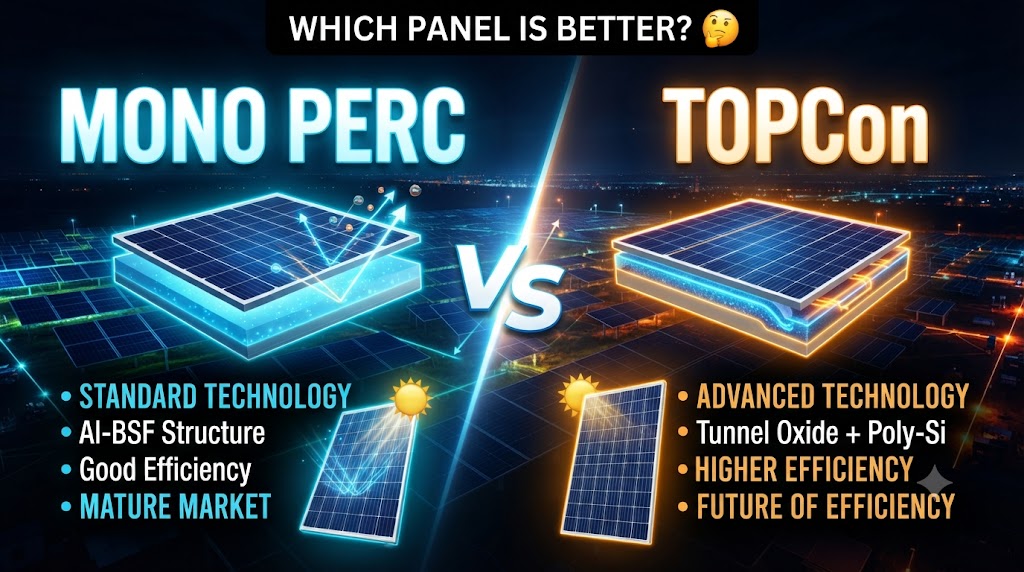
Mono PERC vs TOPCon Solar Panels: Which Is Better?

Mono PERC vs TOPCon solar panels comparison showing two solar panel technologies side by side.

Mono PERC vs TOPCon Solar Panels Introduction Solar panel technology has improved significantly, giving homeowners and businesses more options for generating electricity from sunlight. Mono PERC and TOPCon are two important solar cell technologies used in modern photovoltaic panels. Both use monocrystalline silicon, but their cell structures and methods of reducing energy losses are different. Mono PERC has been widely used in residential and commercial solar installations, while N-type TOPCon is a newer technology designed to improve efficiency, temperature performance and long-term electricity generation. Choosing between Mono PERC and TOPCon…

Read More

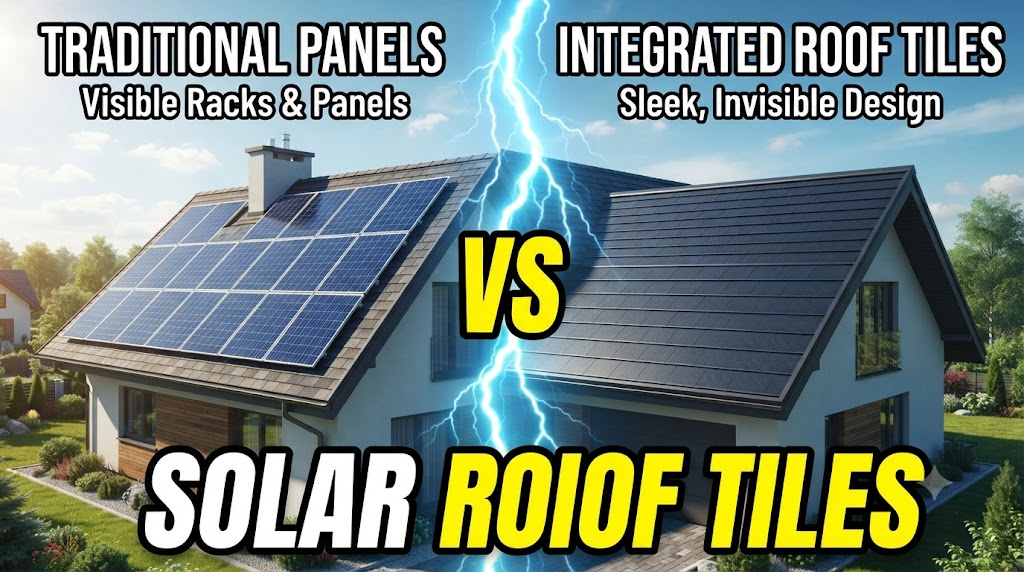
Solar Panels vs Solar Roof Tiles: Which Is Better?

Solar panels vs solar roof tiles comparison showing traditional rooftop solar panels beside integrated solar roof tiles.

Solar Panels vs Solar Roof Tiles Introduction Solar energy is becoming a popular choice for homeowners who want to generate electricity from sunlight and reduce their dependence on conventional power sources. Two options available for residential properties are traditional solar panels and solar roof tiles. Both technologies convert sunlight into electricity, but their design, installation methods, appearance, energy output and overall costs are different. Traditional solar panels are installed on mounting structures above the existing roof, whereas solar roof tiles integrate electricity-generating cells into roof tiles or shingles. Choosing between…

Read More

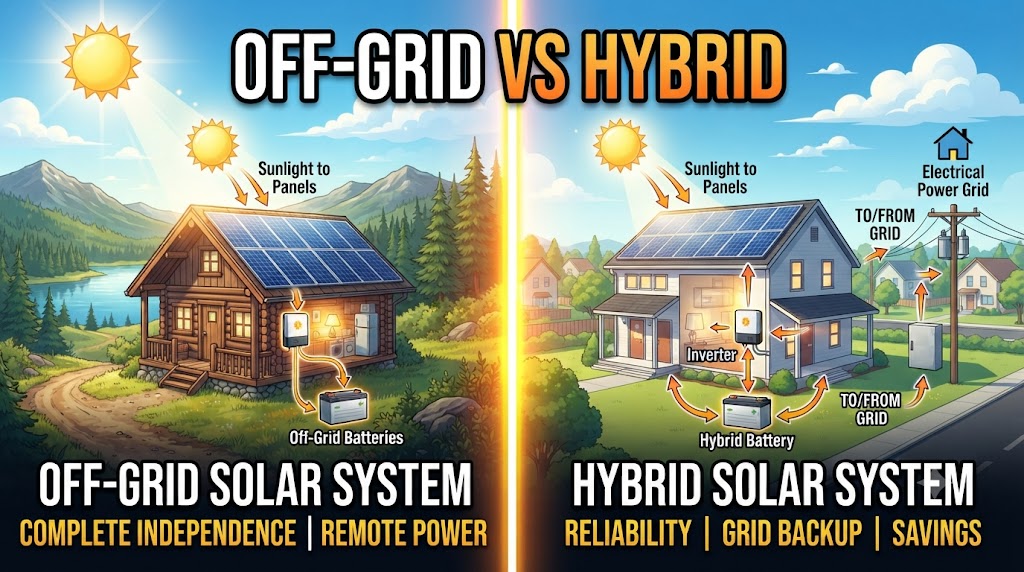
Off-Grid vs Hybrid Solar System: Which Is Better?

Off-grid vs hybrid solar system comparison showing solar panels, battery storage, inverter and electricity grid connection.

Off-Grid vs Hybrid Solar System Introduction Solar energy systems are becoming an important option for homes, farms and businesses looking to reduce their dependence on conventional electricity. However, choosing the right solar system is just as important as selecting good solar panels. Two popular options are off-grid and hybrid solar systems. Both can provide electricity using solar panels and battery storage, but they differ in their connection to the electricity grid, energy management, backup options and installation requirements. An off-grid solar system operates independently without depending on the electricity grid,…

Read More

On-Grid vs Hybrid Solar System: Which Is Better?

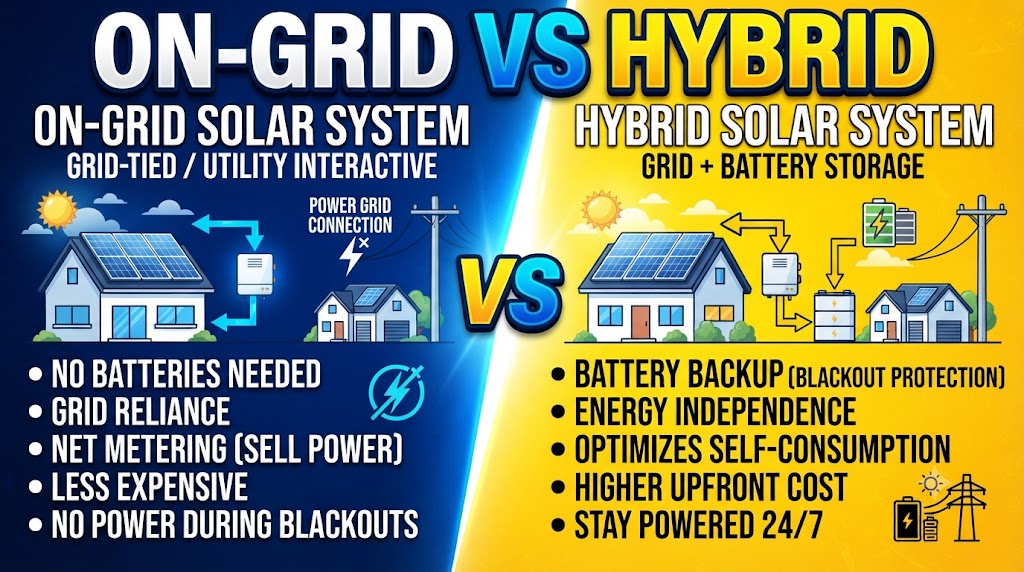
On-grid vs hybrid solar system comparison showing grid-connected solar panels and a hybrid solar system with battery backup.

On-Grid vs Hybrid Solar System Introduction Choosing between an on-grid and a hybrid solar system depends on your electricity requirements, backup needs, available budget and reliability of the electricity supply. Both systems use solar panels to generate electricity, but they differ in how they manage excess energy and provide power during outages. An on-grid solar system connects directly to the electricity grid and generally operates without batteries. A hybrid solar system combines grid connectivity with battery storage, allowing users to store surplus solar electricity and use it when required. On-grid…

Read More